
How to Get Your Backyard Certified as a Wildlife Habitat by the National Wildlife Federation
- Colton P.
- Apr 28, 2025
- 3 min read
Updated: Apr 30, 2025
Creating a backyard that serves as a sanctuary for wildlife is not only fulfilling for homeowners but crucial for the environment. The National Wildlife Federation (NWF) establishes a certification program to recognize gardens and landscapes that provide the necessary resources for wildlife, including food, water, shelter, and safe spaces for raising young. This guide will help you transform your outdoor space and earn certification as a wildlife habitat.

Why Choose Wildlife Habitat Certification?
Becoming certified as a wildlife habitat by the NWF is a practical way to contribute to conservation efforts. This certification supports sustainable gardening practices and promotes biodiversity. A certified habitat provides essential resources for local wildlife, such as:
Birds: According to Audubon, U.S. backyard habitats can support approximately 40% of the nation’s bird species.
Butterflies: Over 1 billion butterflies migrate every year, using gardens as stopovers.
Beyond supporting local wildlife, a certified habitat offers additional benefits:
Enhances Property Beauty: A diverse garden attracts vibrant colors and sounds of wildlife.
Reduces Environmental Footprint: Wildlife-friendly practices significantly lower the need for chemical pesticides.
Educational Value: Family and friends can learn about wildlife conservation through your efforts.
With certification, you can proudly showcase your commitment to wildlife conservation, inspiring your community to follow in your footsteps.
Understanding the NWF Certification Requirements
To gain certification as a wildlife habitat by the NWF, your backyard must meet specific criteria, which include:
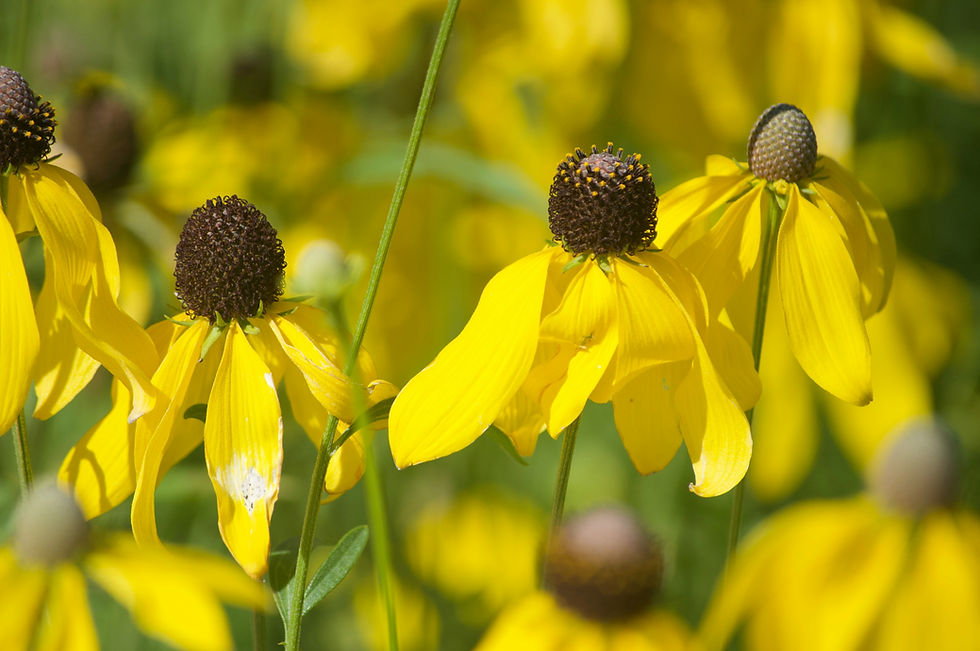
Food: Provide native flowering plants, shrubs, and trees that yield seeds, berries, or nectar. For example, planting echinacea and sunflowers can attract a variety of birds and insects.
Water: Incorporate a fresh water source, which can be a birdbath or a small pond. A simple birdbath can increase bird activity by up to 50% in your yard.
Shelter: Create safe hiding spots and nesting areas using dense foliage or nesting boxes. A well-placed nest box can increase the likelihood of attracting species like bluebirds and wrens.
Places for Young: Ensure there are safe areas for animals to nest. Diversity in plant heights and types supports various wildlife needs.
For a complete checklist of requirements, visit the NWF garden certification checklist. This resource will guide you in creating your wildlife-friendly space.
Steps to Certify Your Backyard
1. Evaluate Your Current Garden
Begin by examining your existing space and note which elements meet the NWF criteria. Identify what might need modifications or additions.
2. Make Necessary Modifications
Implementing changes can be straightforward. Here are a few effective modifications:
Increase Plant Diversity: Add native plants that draw specific wildlife, such as milkweed for monarchs or holly for birds.
Add a Water Feature: Install a birdbath or small pond. Even a simple, shallow dish can make a difference.
Create Shelter: Use shrubs, hedges, or brush piles to provide safe hideouts for animals.
3. Observe and Document Wildlife Activity
Keep track of the different species that visit your habitat. Not only will this add enjoyment to your gardening experience, but it also aids in demonstrating your success when applying for certification.
4. Apply for Certification
When your backyard meets all the required criteria, submit your application online through the NWF website. This process involves filling out a simple form detailing the features of your habitat.
5. Celebrate Your Achievement
Upon approval, you will receive a certificate and a sign to proudly display in your backyard, showcasing your dedication to wildlife conservation.
Additional Tips for Maintaining a Wildlife Habitat
Avoid Pesticides: Chemical pesticides can harm beneficial insects. Opt for organic pest control methods, using companion planting or natural repellents.
Provide Year-Round Resources: Ensure that wildlife has food throughout the year by implementing seasonal plantings. For instance, plant berry-producing shrubs in late summer for fall food sources.
Engage with the Local Community: Join community gardening groups focused on wildlife conservation. Sharing your garden techniques can enhance your own experience and inspire others creatively.
Create Educational Opportunities: Make your garden a learning experience. Invite neighbors and local school groups to explore the flora and fauna, fostering awareness of biodiversity.
Your Journey to Wildlife Conservation
Getting your backyard certified as a wildlife habitat is a fulfilling journey. It encourages a deeper connection with nature while supporting local ecosystems. By making simple adjustments to your outdoor space, you can create a rich environment that attracts birds, butterflies, and other wildlife.
Following the steps outlined above will help you meet the NWF's certification requirements and positively impact the environment. Start your journey today and take pride in contributing to wildlife conservation in your community!



Comments