
Eco-Friendly Weed & Pest Control for Ornamental Gardens: Low-Maintenance Solutions Rooted in Permaculture
- Colton P.
- Apr 30, 2025
- 4 min read
You’ve spent time and care creating a landscape that reflects your style—whether that’s clean-lined and modern, wild and native-inspired, or lush and layered. But weeds and pests don’t care about your aesthetic. They creep in, uninvited and persistent.
The good news? You don’t need to resort to harsh chemicals or constant upkeep to keep your garden healthy and beautiful. By using eco-friendly techniques grounded in permaculture principles, you can enjoy a visually stunning outdoor space that takes care of itself—naturally.
Here’s how to control weeds and pests in your non-food-producing garden while preserving the design you love.
What Is Permaculture—And Why Does It Matter for Your Landscape?
Permaculture is a design philosophy that mimics natural systems to create sustainable, self-sufficient environments. It’s not just for vegetable gardens and food forests—many of its principles are perfect for ornamental, low-maintenance landscapes.
Instead of constant interference, permaculture encourages smart planning and working with nature. In your garden, that means:
Choosing plant combinations that support each other
Reducing unnecessary labor
Creating habitat for natural pest predators
Managing weeds with ground coverage, not chemicals
Now, let’s dig into the how-to.
1. Mulch Like a Designer
In a decorative landscape, mulch isn’t just functional—it’s part of your design. Whether you prefer a refined aesthetic or a natural look, the right mulch prevents weeds, reduces watering needs, and builds soil health.
Why it works:
Mulch blocks sunlight from reaching weed seeds.
It insulates soil, protecting plant roots from temperature swings.
Organic mulches (like bark, wood chips, or shredded leaves) break down and feed the soil.
A study in Biological Agriculture & Horticulture found that organic mulch can reduce weed growth by up to 95%, saving hours of maintenance over the course of a season (Teasdale & Mohler, 2000).
Style-friendly mulch options:
Pine straw or shredded bark for woodland or cottage gardens
Crushed gravel for xeriscapes or minimalist designs
Cocoa hulls or dark bark mulch for high-contrast modern looks
2. Plant Ground Covers, Not Weed Patches
Weeds thrive where nothing else is growing. By filling in open areas with low-maintenance ground covers, you crowd out unwanted plants without altering your garden’s visual flow.
Best ground cover picks for ornamental gardens:
Creeping thyme: A fragrant, walkable cover perfect for between stepping stones
Blue star creeper or dwarf mondo grass: Great for modern or Asian-inspired designs
Sedum, woolly yarrow, or ice plant: Ideal for dry, sunny borders or rock gardens
Sweet woodruff: Lovely under trees and in shaded areas
These choices add color, texture, and seasonal interest while significantly reducing weed pressure.
3. Use Plant Pairings That Deter Pests—Without Looking Like a Veggie Patch
In food gardens, companion planting is used to repel pests. You can use the same principle—but with ornamental-friendly plants that fit your design goals.
Design-friendly pest-repelling plants:
Lavender: Deters moths, fleas, and beetles—ideal in formal or Mediterranean gardens
Catmint (Nepeta): Repels aphids and flea beetles while adding long-season purple blooms
Alliums and ornamental chives: Keep away insects and look striking in perennial beds
Marigolds (compact varieties): Natural nematode deterrents, blending well in cottage-style borders
Even a few of these integrated into your garden can dramatically reduce unwanted insect visitors without changing your layout.
4. Invite the Good Guys (Predators, Not Pesticides)
Permaculture encourages working with existing ecosystems. That means attracting beneficial insects and birds that will happily do your pest control for you.
How to encourage natural predators:
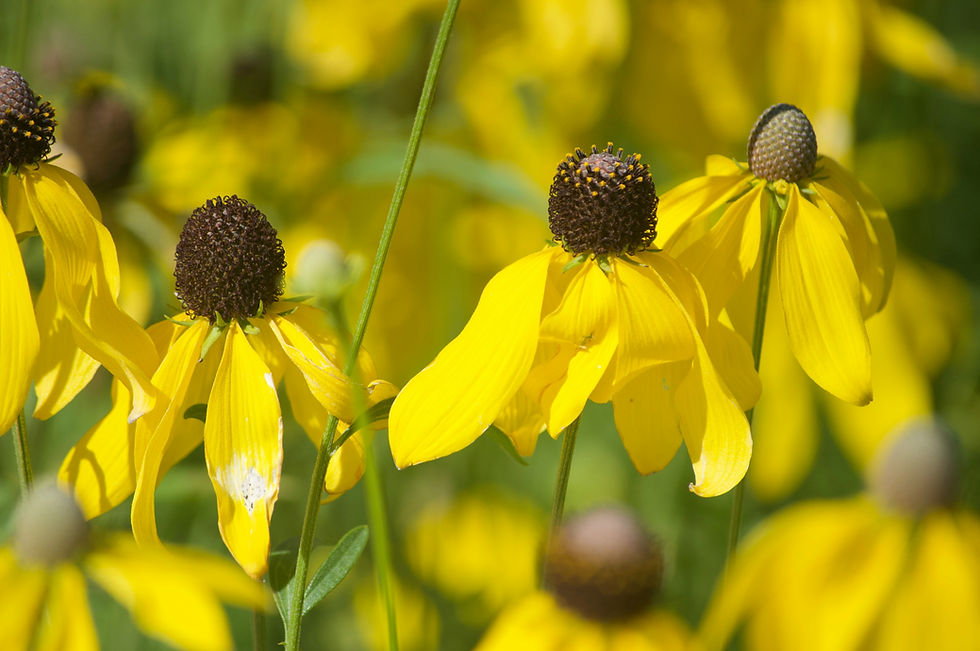
Plant pollinator-friendly flowers like yarrow, echinacea, and goldenrod to attract lacewings, hoverflies, and ladybugs
Add small water sources (like a birdbath or shallow dish with pebbles) to draw in birds and predatory insects
Leave a small pile of rocks, twigs, or leaf litter in a hidden corner to provide habitat for spiders, beetles, and frogs
Research published in Annual Review of Entomology shows that habitat enhancements for beneficial insects can significantly reduce pest populations in managed landscapes (Gurr et al., 2017).
These additions don’t interfere with your garden’s style and help build long-term pest resistance.
5. Spot-Treat Weeds and Pests (Without Nuking Your Plants)
When issues do arise, treat them surgically—not with broad-spectrum sprays or synthetic weed killers that harm beneficial life.
Natural, design-friendly treatments:
White vinegar or boiling water: Effective for cracks in pavement or patio edges—just avoid nearby plants
Horticultural vinegar: Stronger and still organic—use with a targeted spray bottle
Neem oil or insecticidal soap: Ideal for spot-treating pests like aphids or mites on ornamental shrubs
Diatomaceous earth: A dust-like natural barrier against crawling pests (invisible and non-toxic)
Keep these tools handy for occasional flare-ups. They won’t interfere with your layout or require constant reapplication.
6. Think Long-Term: Design for Low Maintenance
The best way to control weeds and pests? Make it hard for them to thrive in the first place.
Use permaculture's "design once, maintain less" mindset:
Choose climate-adapted, native plants that thrive in your conditions without pampering.
Group plants with similar water needs to avoid overwatering (a major pest attractor).
Install drip irrigation or soaker hoses under mulch to minimize evaporation and reduce fungal issues.
The result is a garden that largely maintains itself—with less effort from you.
Final Thoughts: Beauty and Balance Can Coexist
Weeds and pests are inevitable—but constant maintenance and toxic sprays don’t have to be. By using eco-friendly, permaculture-inspired strategies, you can build a garden that:
Aligns with your design vision
Supports pollinators and wildlife
Needs fewer inputs over time
Brings year-round beauty and peace of mind
These techniques work across all ornamental garden styles—from xeriscapes and native plant gardens to sleek, minimalist backyards.
Sources:
Teasdale, J. R., & Mohler, C. L. (2000). The quantitative relationship between weed emergence and the physical properties of mulches. Biological Agriculture & Horticulture, 18(2), 157–170.
Gurr, G. M., Wratten, S. D., Landis, D. A., & You, M. (2017). Habitat management to suppress pest populations: progress and prospects. Annual Review of Entomology, 62, 91–109.


Comments