
Effective Strategies for Managing Standing Water and Storm Runoff in Your Yard
- Colton P.
- Apr 28, 2025
- 4 min read
Updated: Apr 30, 2025
Standing water can be more than just an eyesore; it poses a serious challenge for homeowners, especially in Houston, where intense rains can lead to flooding. Excess water not only encourages mosquito breeding but can also damage your plants and landscaping. Thankfully, there are effective strategies to manage standing water and storm runoff. In this article, we will discuss the benefits of French drains and other practical methods for managing drainage efficiently.
Understanding the Issues with Standing Water
Standing water brings a host of problems. Beyond the visual nuisance, it can compromise your landscape and even harm your home. In a place like Houston, where heavy rains are common, managing storm runoff is crucial.
Excess water can suffocate plant roots, decreasing soil health and disrupting your garden ecosystem. For example, prolonged saturation can lead to root rot, which affects about 30% of garden plants if conditions persist. Furthermore, standing water fosters mold and mildew growth, which not only damages property but can also impact your family's health.
Additionally, standing water creates a breeding ground for mosquitoes. In fact, a study from the Centers for Disease Control and Prevention indicates that stagnant water can increase mosquito populations by up to 50%. By addressing these drainage issues, homeowners can create a safer and healthier outdoor environment.

French Drains: A Reliable Solution
Installing a French drain is one of the most effective ways to manage standing water in your yard. This system consists of a trench filled with gravel and a perforated pipe that collects and directs excess water away from your property.
How French Drains Work
French drains work by guiding water away from trouble spots. When rain falls, it seeps into the gravel-filled trench. The perforated pipe then carries the water away to a designated drainage area, preventing pooling in your yard.
Advantages of French Drains
Reduced Flooding: French drains can effectively divert water from your foundation, lowering the chances of basement flooding. This can protect your home and save repair costs, which can add up to thousands of dollars.
Improved Soil Drainage: With a French drain, excess water is removed swiftly. This keeps the soil aerated and helps prevent root rot in plants, which can contribute to overall garden vigor.
Long-lasting Solution: Properly installed French drains can endure for over 30 years, making them a reliable solution for managing runoff.
Installing a French drain enhances not only the functionality of your yard but also its appearance, ultimately protecting your property from moisture-related problems.
Other Effective Methods for Water Management
Beyond French drains, there are several other effective methods homeowners can consider. Here are a few options:
Swales
Swales are shallow, vegetated channels that help manage stormwater runoff. They slow down water flow and allow for natural infiltration, which minimizes erosion in your yard.
By creating a swale, you can direct rainwater away from your home and into areas that can absorb it. Well-designed swales can also enhance your landscape, making it visually appealing.
Rain Gardens
Rain gardens are specially designed areas planted with native vegetation that absorb rainwater. These gardens not only manage runoff but also filter pollutants, contributing positively to your garden's ecosystem.
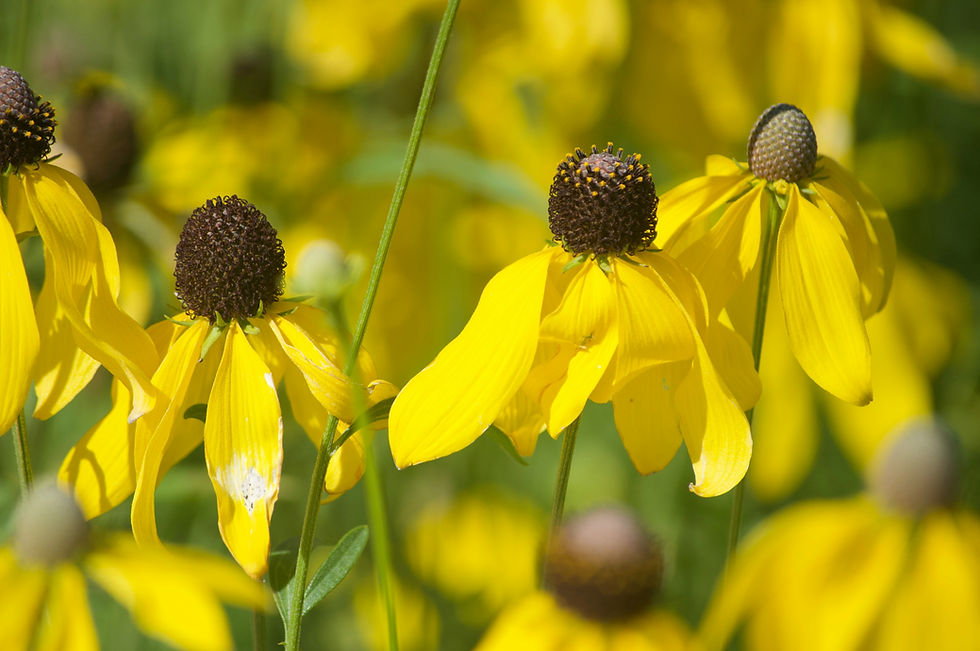
By incorporating plants such as blue flag iris and cone flowers, you can create an attractive garden that thrives in wet conditions, aids in water absorption, and supports local wildlife.
Gutters and Downspouts
Effective gutters and downspouts are essential for managing stormwater. Keeping gutters clean ensures smooth water flow. Extending downspouts away from your foundation can prevent soil saturation, reducing standing water around your home.
Utilizing splash blocks helps direct water further away, minimizing the risk of future standing water issues.
Maintaining Your Drainage Solutions
Once you've implemented drainage solutions, maintaining them is vital.
Routine Inspections
Regular inspections of your drainage systems help ensure they are working correctly. Check for blockages or signs of erosion. Early detection of issues can save you from larger problems later.
Seasonal Maintenance
After heavy rains, revisit your systems to clear any debris or check for damage. Regular maintenance keeps your systems functioning well throughout the year.
Landscaping Considerations
Selecting plants that thrive in low-lying or wet areas can assist in absorbing excess water. A variety of plants will not only boost your landscape's beauty but also enhance your overall drainage.
Reducing Mosquito Activity
Addressing standing water also helps in combating mosquito populations. Here are steps you can take to minimize their breeding grounds.
Eliminate Breeding Grounds
Regularly inspect your yard for standing water beyond your drainage systems. This includes checking plant pots and birdbaths. Empty these areas frequently or consider using eco-friendly mosquito larvae treatments that won’t harm pets or wildlife.
Use Natural Repellents
Planting mosquito-repellent species such as lavender, citronella, and marigolds around your yard can help keep these insects at bay. This not only enhances your landscaping but also promotes a more pleasant outdoor experience.
Maintaining a Healthy Outdoor Environment
Effectively managing standing water and storm runoff is essential for maintaining a vibrant yard and reducing mosquito populations. Solutions like French drains, swales, and rain gardens, along with diligent maintenance, can significantly improve drainage and enhance your property’s visual appeal.
By taking proactive steps, homeowners in Houston can enjoy a more functional and beautiful outdoor space without the hassles of flooding and mosquito issues. Investing your time and resources into effective drainage solutions ultimately leads to a healthier home and environment.


Comments